



A Historic Milestone
On December 5, 2024, Xeer Ciise—the oral customary law of the Somali-Issa—was officially inscribed by UNESCO on the Representative List of the Intangible Cultural Heritage of Humanity. Jointly nominated by Djibouti, Ethiopia, and Somalia, this recognition celebrates a living tradition of conflict resolution, democratic decision-making, and solidarity that continues to guide communities across the Horn of Africa.

A Sophisticated Political, Legal and Social System
Xeer Ciise is rooted in three interconnected pillars:
- A political constitution that governs authority (with the Guddi, council of elders, and Ugaas, legitimate spiritual chief).
- A penal code focused on reconciliation, compensation, and restoring social harmony, tailored to each transgression
- A social code of conduct that promotes justice, solidarity, peace, and the respect of women and children’s rights
Transmission has been primarily oral—via stories, proverbs, poems, and rituals—but today involves workshops, educational programs, and modern media.
A Tool for Regional Unity and Development
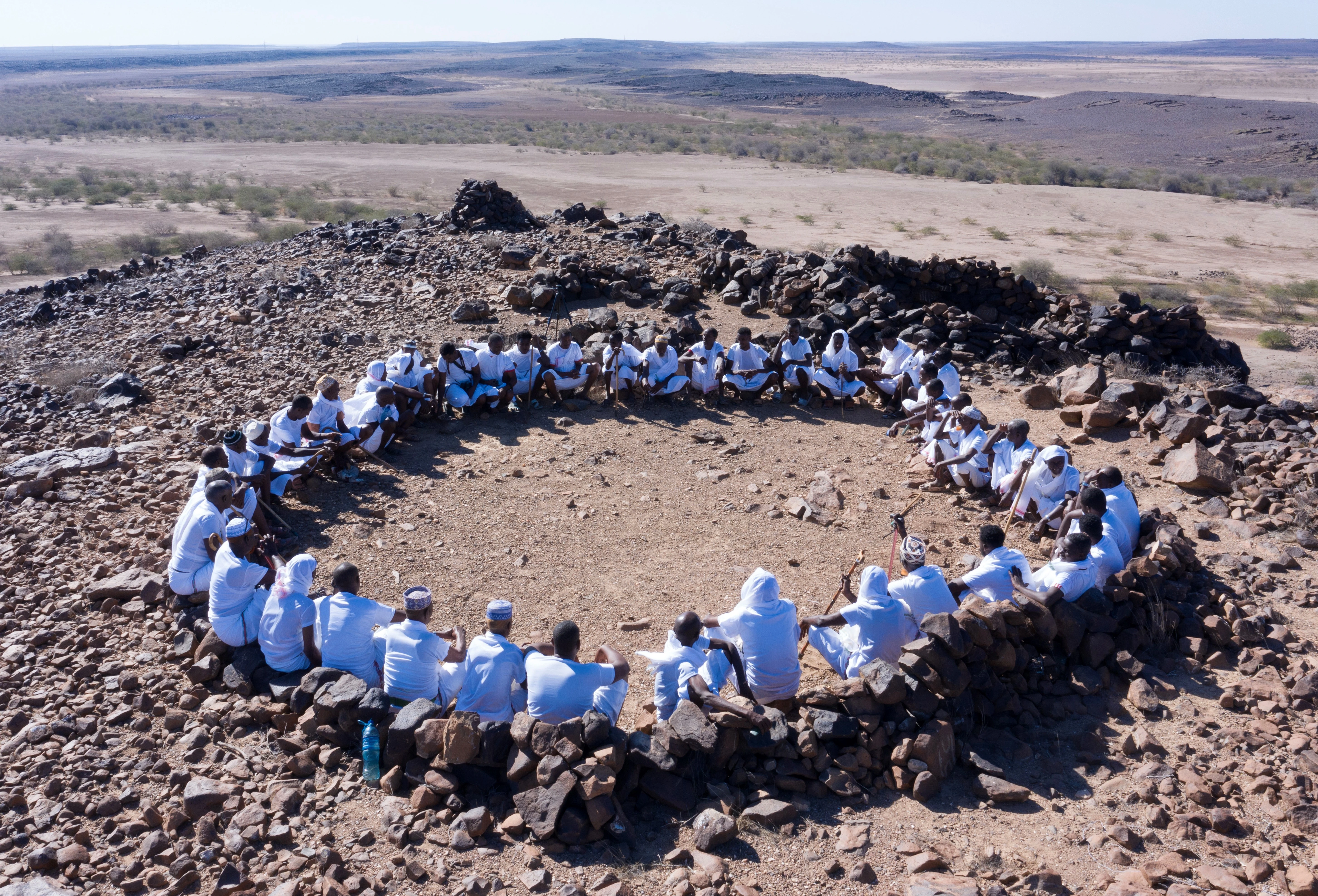
Xeer Ciise unites Somali-Issa communities across Ethiopia, Djibouti, and Somalia, transcending artificial national borders. Its administrative center sits in Dire Dawa, Ethiopia, epitomizing regional solidarity. Safeguarding measures include community consultations and full participation by elders, women, and youth. Legal frameworks, budgets, and media platforms have been created to ensure effective and sustainable transmission.
A Model for Present and Future
This heritage now serves as inspiration for inclusion, social justice, sustainable resource management, and peaceful conflict resolution. Xeer Ciise is a living memory driving both contemporary public policies and African youth ambitions.

Conclusion: The Xeer Ciise’s inscription as world heritage recognizes indigenous knowledge, amplifies Africa’s voice in global heritage, and offers a model of harmony and governance for the twenty-first century.