Djibouti Registers Its First UNESCO Biosphere Reserve: A Historic Turning Point
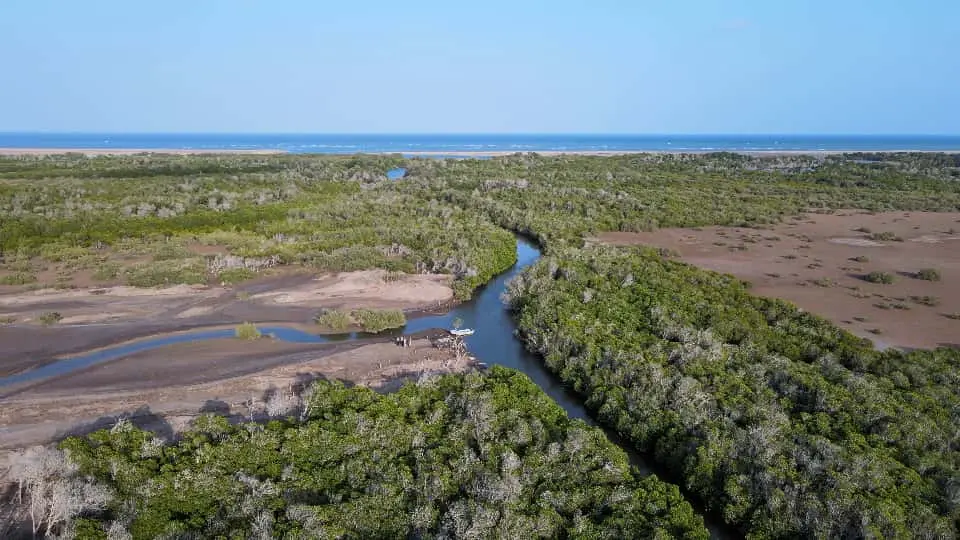
For the first time in its history, Djibouti officially joins the global map of countries recognized for outstanding natural heritage. On September 27, 2025, during the 37th ICC session of UNESCO’s Man and the Biosphere (MAB) Programme, the Sept Frères, Ras Siyan, Khor Angar, and Godoria Biosphere Reserve was inscribed. This milestone marks not only a national victory but also the dawn of a new era for Obock and the entire nation.
A World-Class Ecological and Cultural Treasure
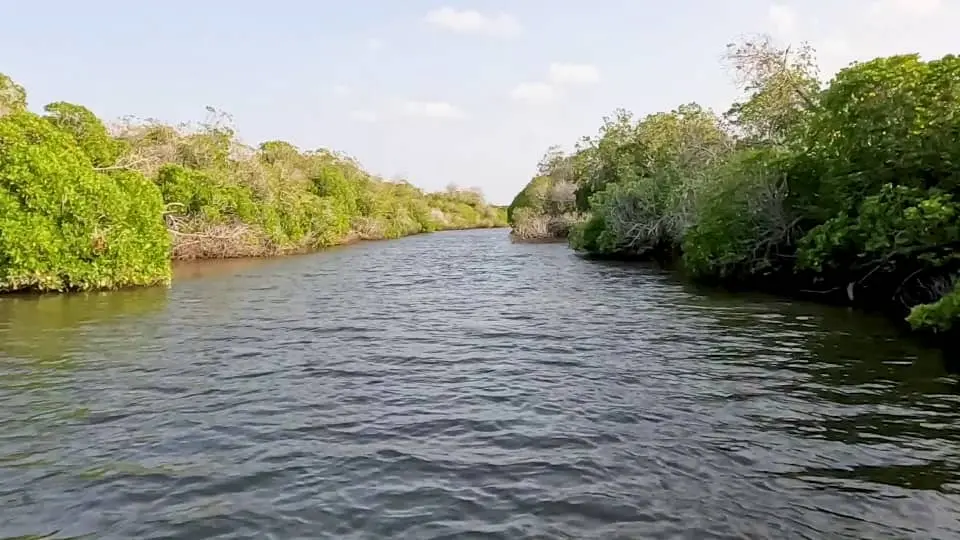
Nestled between the Red Sea and the Indian Ocean, the reserve is one of the region’s most unique ecological crossroads. It harbors mangroves, coral reefs, sandy coasts, and pelagic waters. The area is a sanctuary for whale sharks, endangered marine mammals, and serves as a crucial migration corridor for raptors—between 85,000 and 245,000 birds pass through each year. With this designation, Djibouti emerges as a recognized global hotspot for biodiversity and ornithology.
Sustainable Governance Rooted in Tradition
At the heart of this success lies the Obock community. Their traditional practices—such as prohibiting excessive tree cutting and restricting hunting—have safeguarded the land for centuries. Now, these local methods receive international recognition as effective conservation tools. The UNESCO listing not only protects biodiversity but also celebrates the centuries-old harmony between people and nature in northern Djibouti.
A Living Laboratory for Science and Innovation
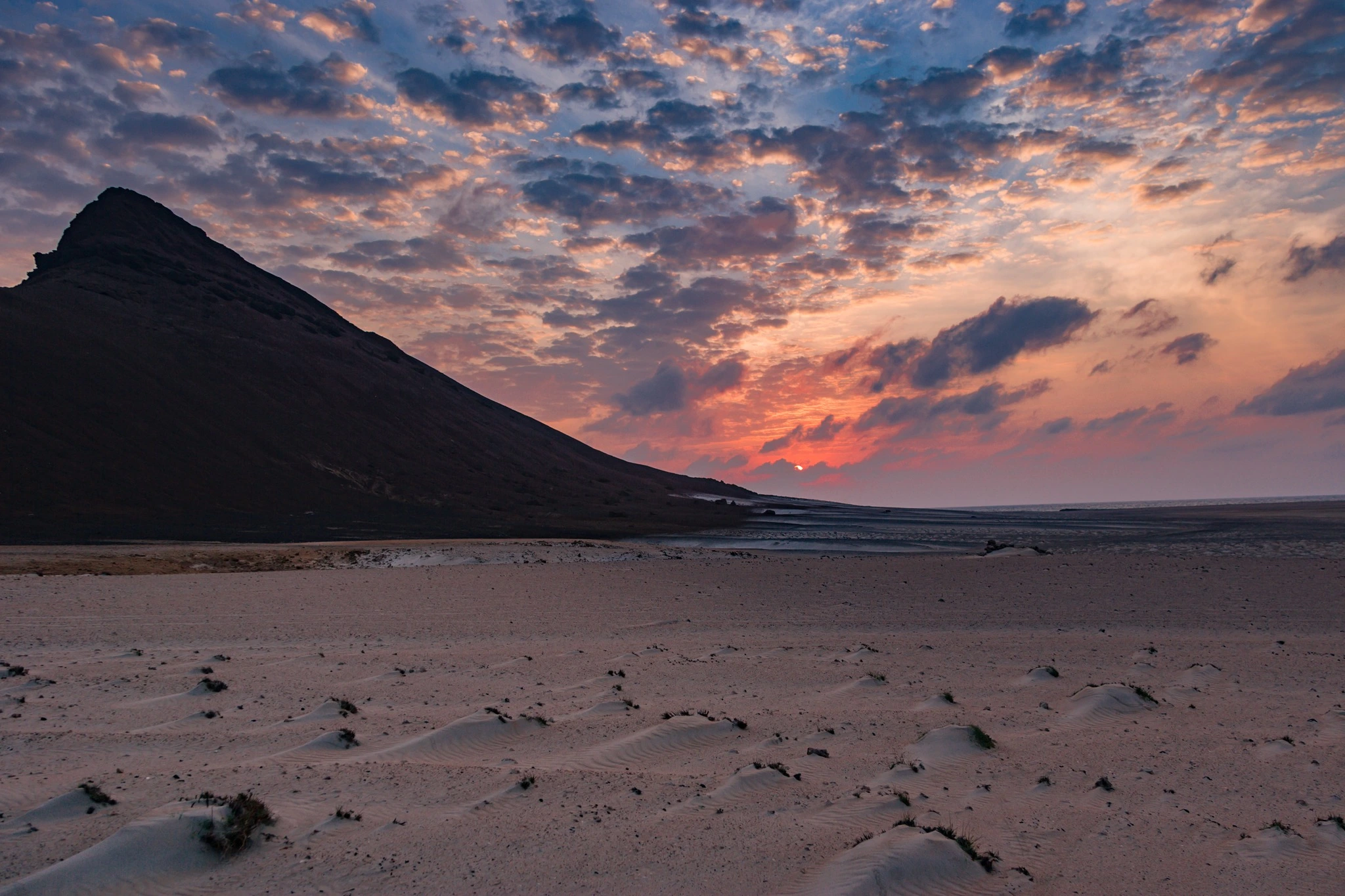
The biosphere reserve is more than a protected zone—it is an open-air laboratory. Researchers will explore taxonomy, ecological resilience, and climate adaptation, while integrating traditional knowledge into modern science. Djiboutian students are encouraged to pursue research here, ensuring that academic study directly contributes to shaping future national policies. The Ministry of Sustainable Development is already envisioning responsible ecotourism and fisheries management as engines for balanced, inclusive growth in Obock.
Djibouti in a Global Conservation Network
This recognition aligns with UNESCO’s growing conservation efforts: in 2025 alone, 26 new biosphere reserves were added worldwide, raising the total to 785 sites across 142 countries, covering more than 8 million km². Djibouti is now part of this expanding network of nations championing sustainability, heritage preservation, and environmental stewardship—cementing its place on the world stage.